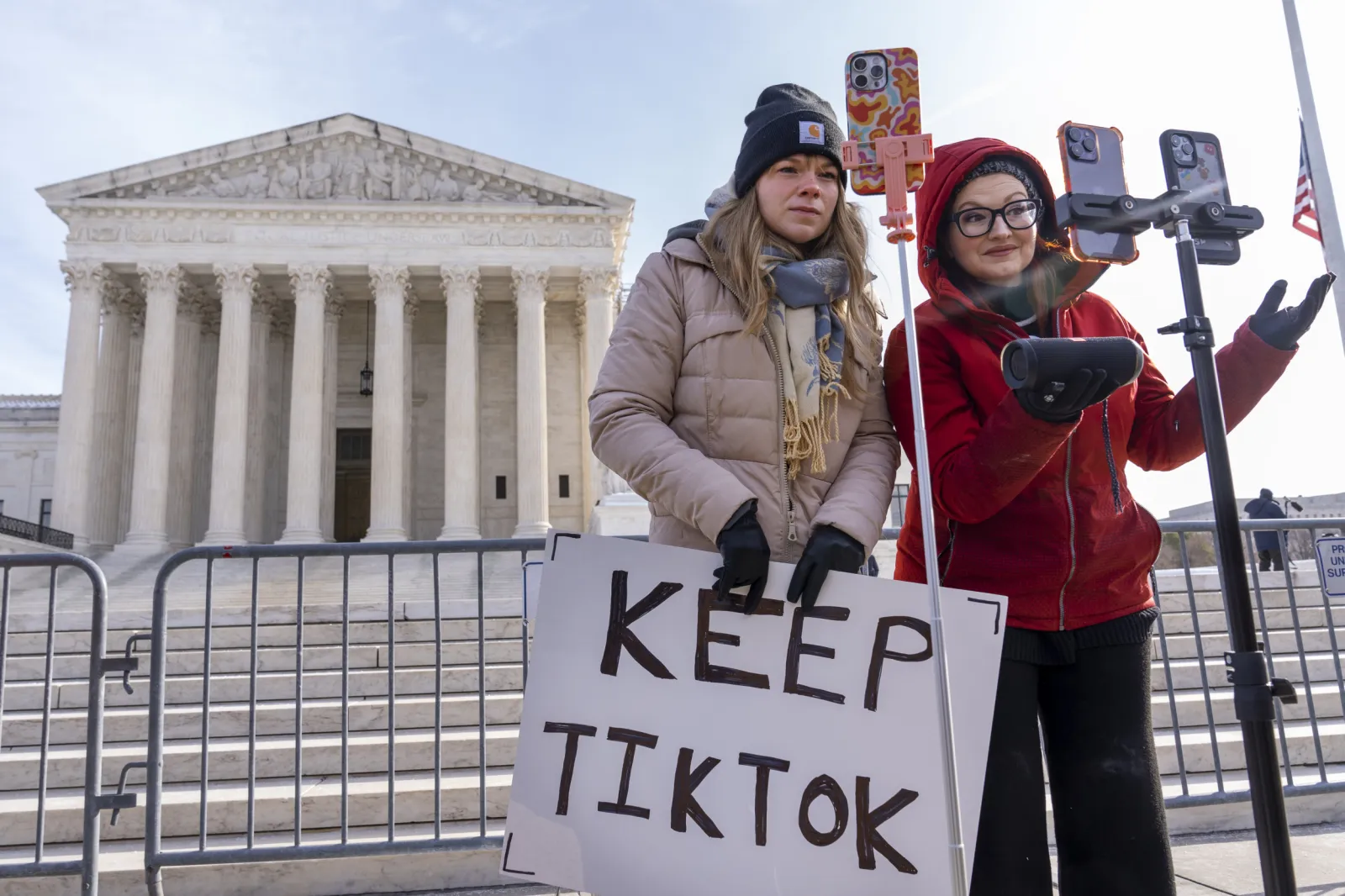
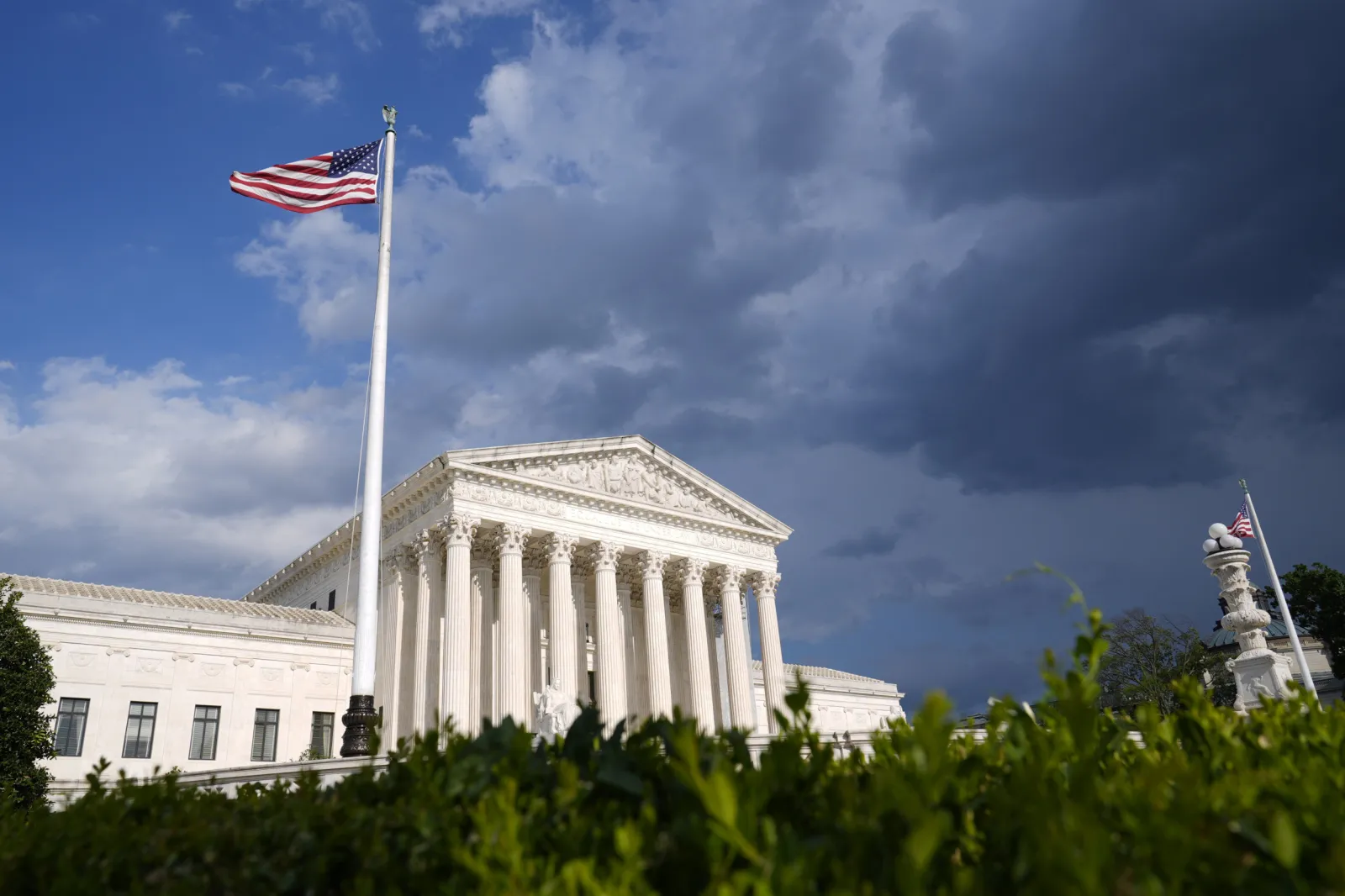
The U.S. Supreme Court ruled unanimously on Friday to uphold a federal law banning TikTok unless its China-based parent company, ByteDance, sells the app by Sunday.
The court ruled that the national security risks posed by TikTok's ties to China outweigh concerns about freedom of speech for the app's 170 million U.S. users.
While the ruling mandates that TikTok be pulled from app stores by Sunday, existing users will still be able to access the app.
However, without updates or new downloads, the app will eventually become inoperable, according to filings from the Justice Department.
Newsweek contacted ByteDance on Friday by email for comment.
Why It Matters
The decision effectively strengthens the government's position on the need for divestiture, citing TikTok's potential to harvest vast amounts of sensitive data that could be accessed by the Chinese government.
The law aims to address what U.S. officials have labeled as national security threats tied to the app's data collection practices and its relationship with China.
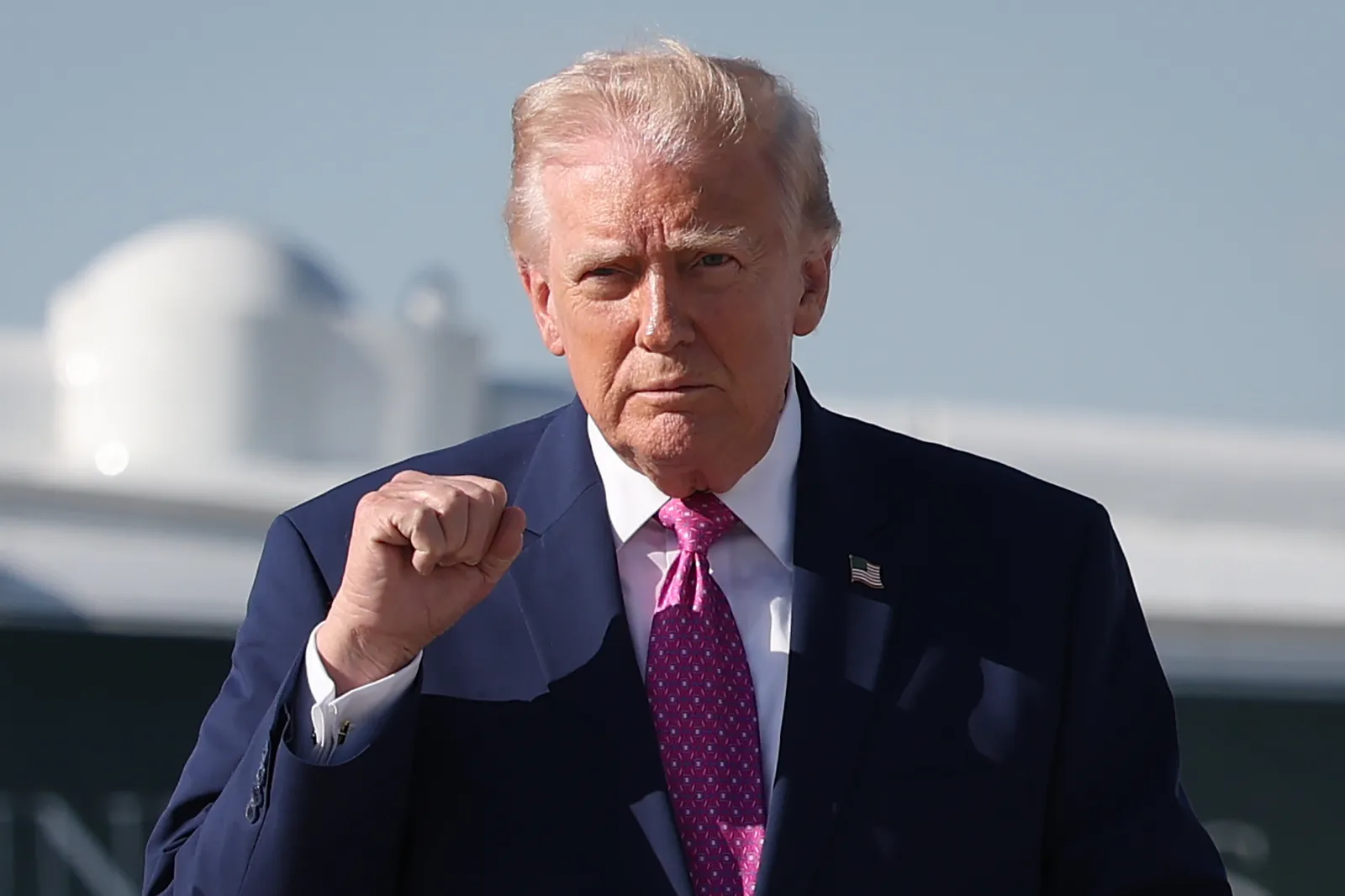
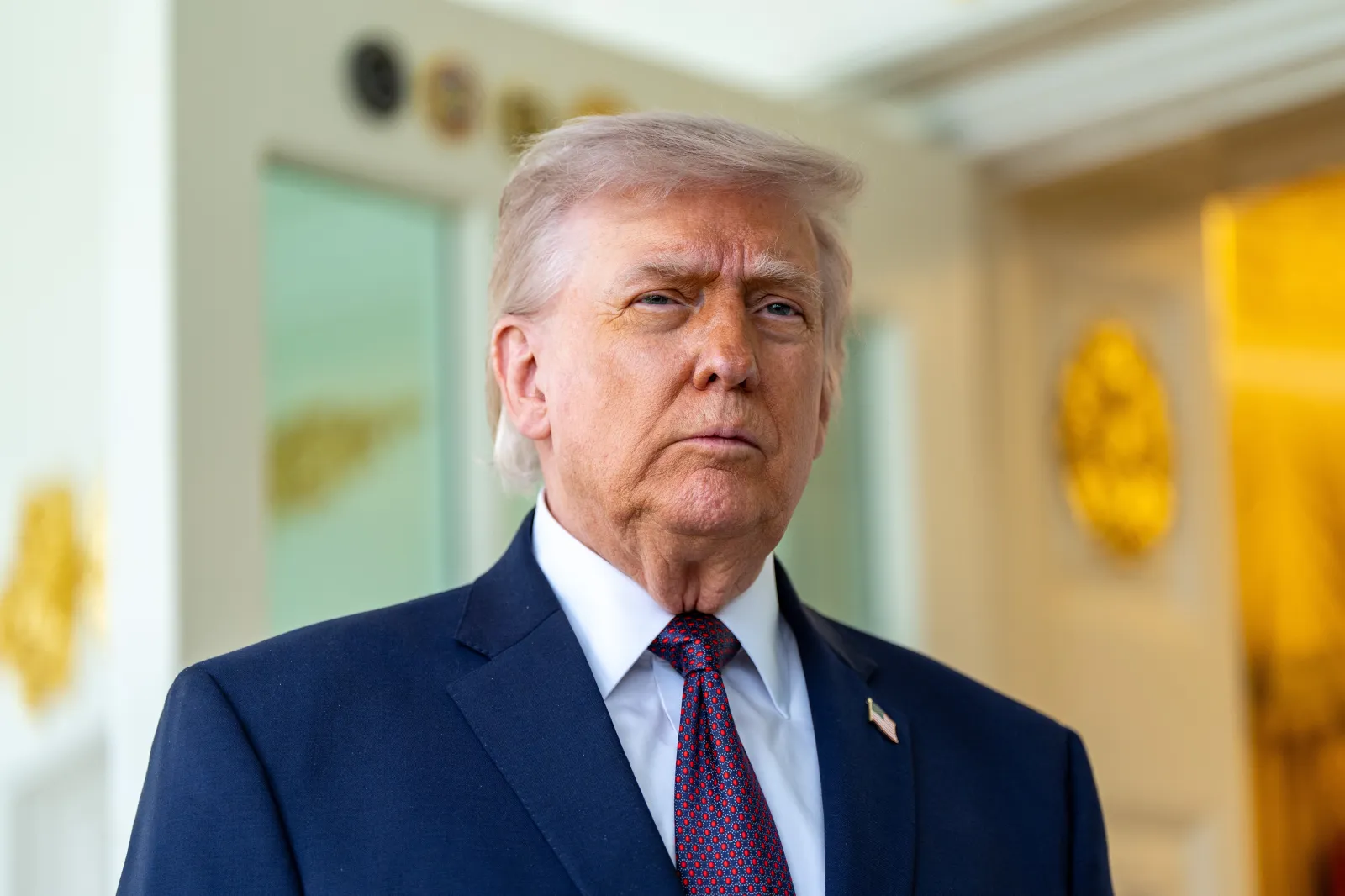
The decision arrives at a politically fraught moment, with President-elect Donald Trump vowing to broker a solution after he takes office on Monday.
Trump, who has 14.7 million followers on TikTok, finds himself at odds with Senate Republicans who have criticized ByteDance for failing to finalize a sale in time.
What To Know
Solicitor General Elizabeth Prelogar, representing the Biden administration, warned the court that even if ByteDance agrees to a sale, it remains uncertain whether such a move could trigger a 90-day pause on the ban, which was allowed under the law if there had been progress toward a sale.
At oral arguments, TikTok's legal team and its parent company ByteDance outlined the complexities of completing a sale, particularly due to Chinese laws that prevent the transfer of TikTok's proprietary algorithm.
The algorithm, which curates content on the app, is central to TikTok's success and user engagement, allowing it to deliver a personalized experience.
Why Is U.S. Concerned About TikTok?
The U.S. government's national security concerns over TikTok have centered on fears that the app collects substantial amounts of user data, including sensitive information about viewing habits, which could be coerced from ByteDance by the Chinese government.
Officials also warned that China could manipulate the platform's algorithm to influence content seen by U.S. users, although TikTok has denied these allegations.
The legal conflict over TikTok has become a focal point of broader geopolitical tensions between the U.S. and China.
Bipartisan support in Congress led to the passage of the law in April, which President Joe Biden signed.
ByteDance has consistently rejected calls to sell its U.S. assets. Despite this, several investors have expressed interest in acquiring the app's American operations, including former Treasury Secretary Steven Mnuchin and billionaire Frank McCourt.
What People Are Saying
The U.S. Supreme Court, in an unsigned opinion: "Congress has determined that divestiture is necessary to address its well-supported national security concerns regarding TikTok's data collection practices and relationship with a foreign adversary," adding that the law "does not violate petitioners' First Amendment rights."
What Happens Next
As the January 19 deadline looms, the fate of TikTok hangs in the balance. With the law upheld, all eyes are on ByteDance's next move and on the incoming Trump administration's potential role in reshaping the app's future in the U.S.
This article contains additional reporting from The Associated Press.